
White Papers & Success Stories
White Papers & Success Stories
Picture 1
Picture 2
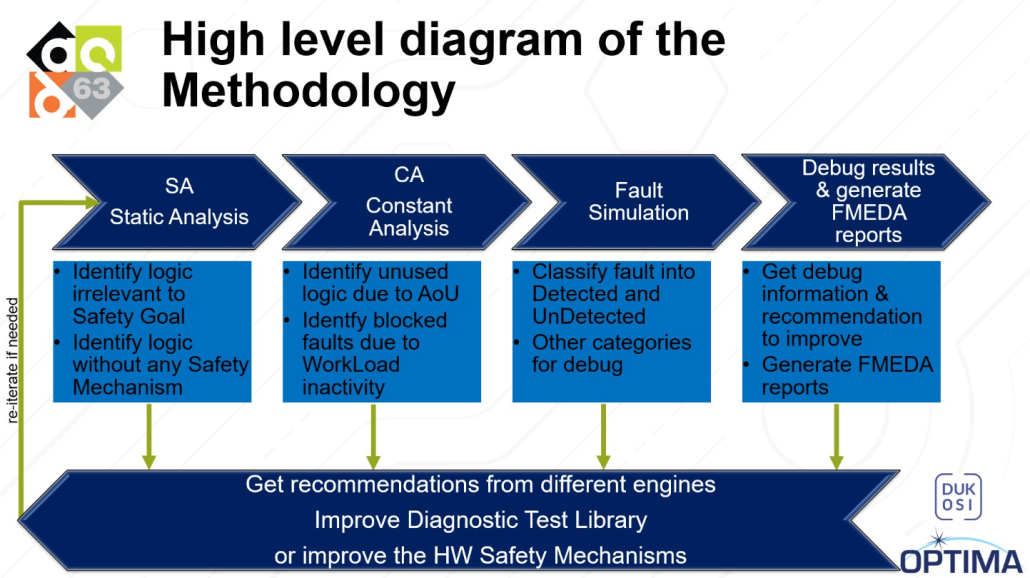
This paper, presented at DAC 2026, highlight a success story with Optima’s customer, Dukosi Ltd.
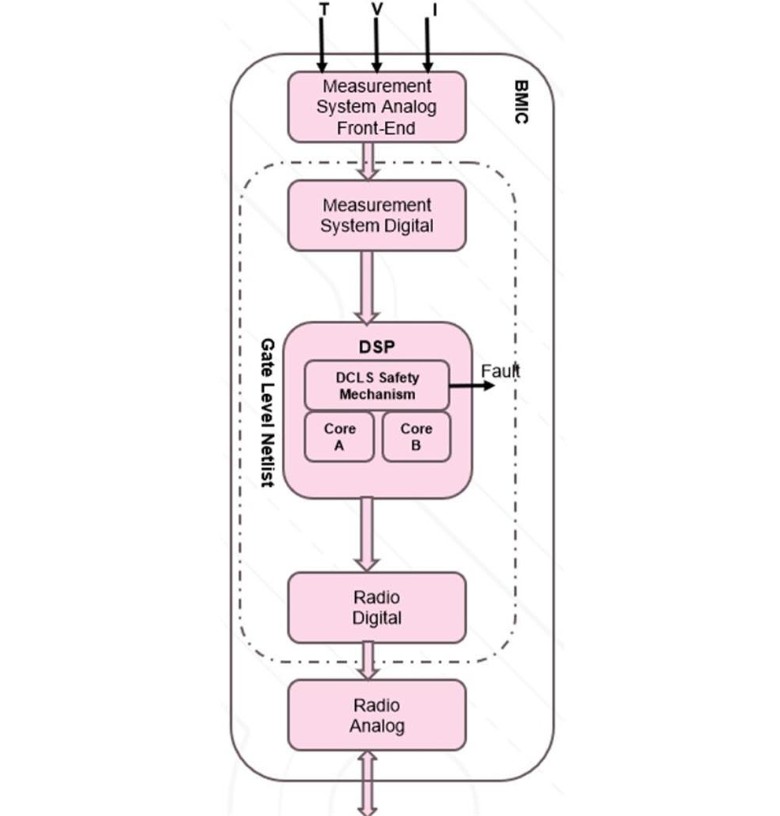
The paper outlines a methodology used by Dukosi using OSP (Optima Safety Platform) to achieve ASIL-D SEooC with SPFM of 99% on Dukosi’s BMIC chip (Battery Monitoring ICs).
BMIC include DSP IP with Dual Core Lock Step. It is part of Dukosi’s BMS (Battery Management System) which consists of a network of BMICs and a Hub and System Controller, used in Automotive Batteries.
Methodology to Achieve ASIL-D for an IP in SoCs for 360-degree Automotive Display Systems.
Customer success story:
This paper was presented at DVCon China, May 2026, by Omni Vision Technologies (OVT), Shanghai ASIC team.
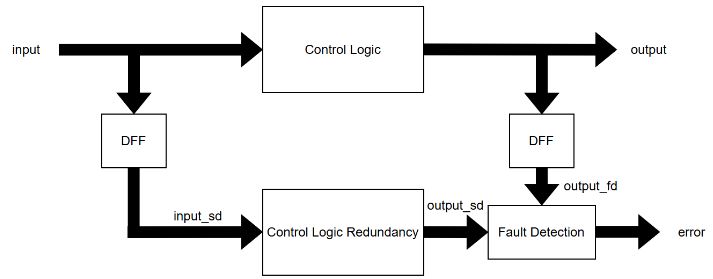
The paper outlines, the simple, straight forward methodology developed by Optima, supported by OSP (the Optima Safety Platform), adopted and used by OVT Shanghai to achieve ASIL-D on a critical IP called RETIME inside OVT’s SoC for 360-degree Automotive Display System.
No drama, no long story, just simple methodology, supported by advanced technology and the goal is achieved quicky.
This same methodology is used by other OVT teams around the world and by other Optima customers.
Picture 1
Picture 2
Picture 1
Picture 2
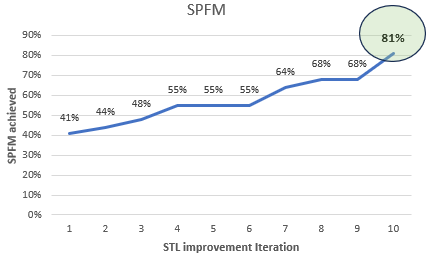
Converging on ISO-26262 ASIL-B metrics for Vision AI DSP IP using STL, a Ceva Optima collaboration
This paper was presented at ChipEx 2024, by Ayman Mouallem, VP of RnD at Optima. It gives high level overview the project executed by Optima Design Automation and Ceva Inc. to develop STL (Software Test Library) for “Ceva SensPro AI & Vision DSP”, an off-the-shelf IP used in automotive applications by Ceva.
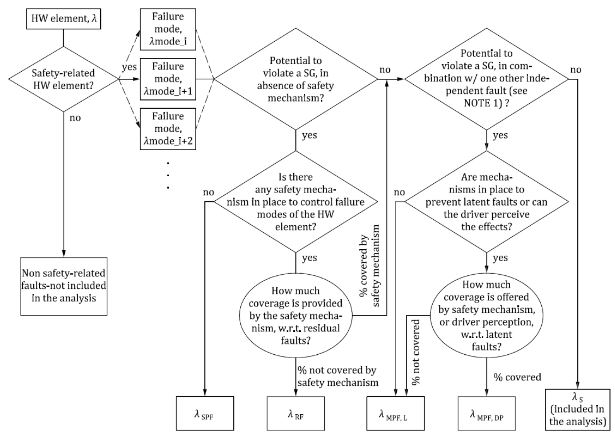
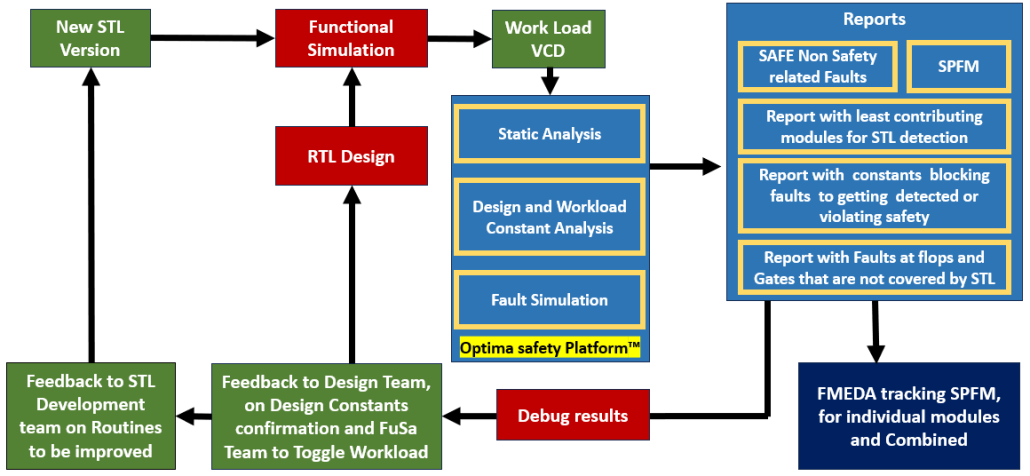
The project used OSP (Optima Safety Platform) for fault-analysis and fault-simulation, to reach the ASIL-B FMEDA metrics targets of the SensPro IP for the STL (Software Test Library) safety Mechanism.
During the project, multiple cutting-edge fault-analysis engines were used, like SA (Static Analysis), CA (Constant Analysis), and FS (Fault Simulation). The CA engine proved to be VERY helpful in the project, as explained in the presentation and the paper.


The Transformational Acceleration of Automotive Safety Analysis
New Tools and Approaches for Achieving Comprehensive, Timely ISO 26262 Fault Analysis
Current ISO 26262 fault analysis methodologies are hampered by outdated technology platforms, far too slow and onerous given today’s tight project schedules. Three month plus certification processes have no place in modern automotive semiconductor projects under extreme time-to-market pressure. A next-generation suite of technologies and associated streamlined methodologies are becoming available and these promise transformational change to automotive electronic projects. These are arriving just in time given the electronic processing requirements for emerging driverless vehicles.

Please fill out the following form to access the resources on our site.
 This project has received funding from the European Union’s Horizon 2020 research and innovation programme under grant agreement No. 850104.